


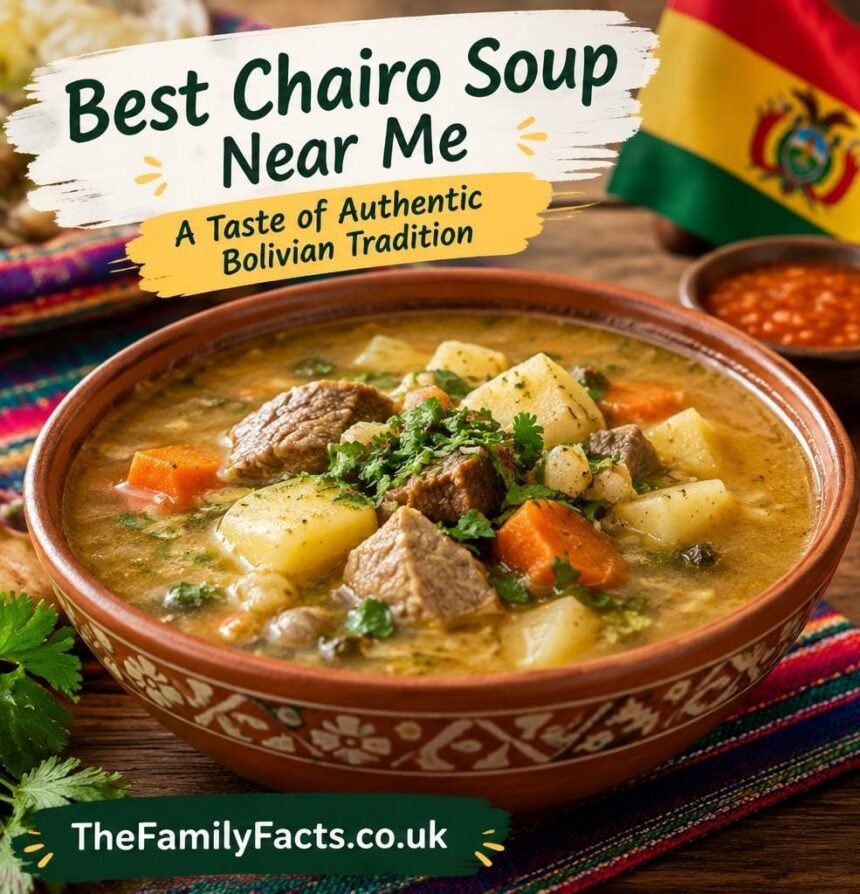
If you are searching for the best chairo soup near me, you are probably looking for more than an ordinary bowl of soup. Chairo is a traditional Andean dish strongly associated with La Paz, Bolivia, and is known for its thick texture, hearty ingredients, and distinctive use of chuño, or traditionally freeze-dried potato.
Finding a good bowl can be challenging because chairo is much less common on restaurant menus than familiar soups. The best approach is to understand what authentic chairo should contain, know which menu descriptions to look for, and compare restaurants based on preparation rather than appearance alone.
What Is Chairo Soup?
Chairo is a traditional Andean soup associated particularly with the La Paz region of Bolivia. It combines indigenous Andean ingredients with other ingredients that became part of the region’s cuisine over time.
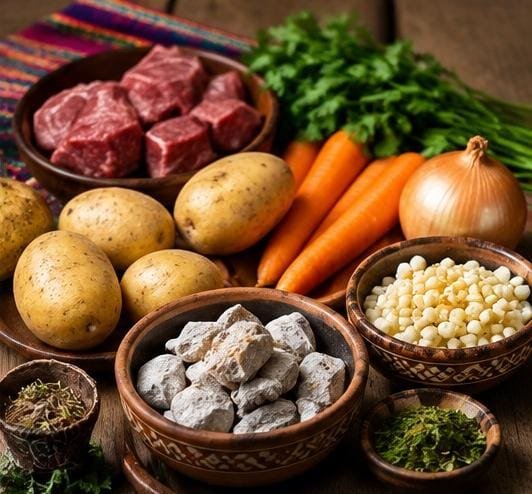
One of its defining ingredients is chuño, a traditional form of dehydrated potato. A typical chairo may also include potatoes, beef or lamb, vegetables, peas, broad beans, corn, wheat, onions, herbs, and spices. Recipes vary from one cook or region to another.
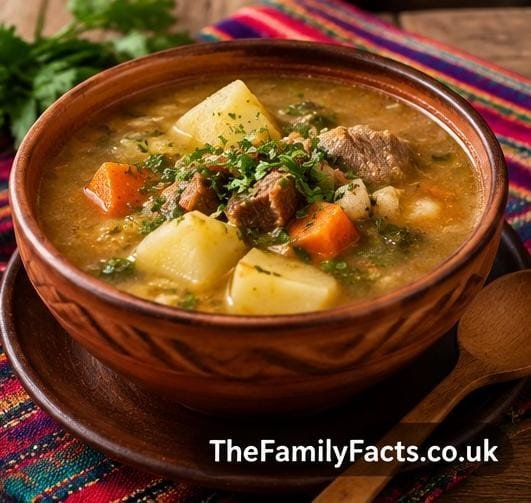
Unlike a thin broth-based soup, chairo is generally substantial and thick. The combination of meat, vegetables, grains, potatoes, and chuño makes it feel closer to a complete meal.
Why People Search for the Best Chairo Soup Near Me
A local search for chairo often has a very practical purpose: you want to know where you can actually find the dish nearby.
Before choosing a restaurant, consider:
- Whether chairo is prepared fresh
- Whether the menu describes it as Bolivian or Andean
- Whether chuño is included
- Which type of meat is used
- Whether the restaurant specializes in Bolivian cuisine
- Recent customer comments about flavor and portion size
- Whether the soup is available every day or only on selected days
Because chairo is a traditional specialty rather than a universally available soup, calling ahead can also save time.
What Makes a Good Bowl of Chairo?
There is no single universal recipe, so “best” can mean different things. However, several characteristics can help you judge a well-prepared bowl.
1. A Distinctive Chuño Texture
Chuño is central to many traditional versions of chairo. It contributes a characteristic texture and helps distinguish the soup from other potato-based soups.
If a restaurant advertises chairo but does not mention chuño, it is worth asking whether it is included.
2. A Rich, Well-Developed Broth
Traditional recipes commonly combine meat with vegetables and aromatics to build a substantial broth. Beef, lamb, and dried meat can appear in different versions.
The broth should complement the other ingredients instead of overpowering them.
3. Plenty of Texture
Chairo is not supposed to feel like plain liquid with a few vegetables floating in it. Traditional recipes can contain potatoes, corn, wheat, peas, broad beans, carrots, and other ingredients.
A balanced bowl should give you different textures with each spoonful.
4. Fresh Herbs and Seasonings
Herbs such as mint, parsley, cilantro, oregano, and regional Andean herbs may be used depending on the recipe. Cumin, pepper, and chili can also contribute to the flavor.
The exact combination varies, so differences between recipes are not necessarily signs that one version is incorrect.
Where Should You Look for Chairo?
If your usual restaurant-search apps are not returning useful results, broaden your search to establishments specializing in Bolivian cuisine, Andean cuisine, or Latin American regional food.
Restaurants serving traditional Bolivian dishes are more likely to offer chairo than restaurants with a general South American menu.
You can also check:
- Bolivian restaurants
- Andean restaurants
- Latin American restaurants with regional specialties
- Restaurants with traditional soup or lunch menus
- Bolivian community food businesses and markets
When searching online, try variations such as:
- “chairo soup near me”
- “chairo paceño near me”
- “Bolivian chairo near me”
- “Bolivian soup near me”
- “Andean chairo restaurant”
These variations can reveal listings that do not use exactly the same wording.
Questions to Ask Before Ordering
If you find a restaurant that serves chairo, a few simple questions can help you determine whether it matches what you are looking for.
Is It Chairo Paceño?
Chairo paceño refers to the La Paz-style preparation and is especially useful as a search term when you want a traditional Bolivian version. La Paz’s official tourism information identifies chairo as one of the city’s signature traditional dishes.
Does It Contain Chuño?
Ask specifically about chuño. It is one of the ingredients most strongly associated with traditional chairo.
What Meat Does It Use?
Different preparations may use beef, lamb, dried meat, or combinations of meats. Recipes are not completely standardized.
Is It Available Today?
Some traditional dishes may not be prepared every day. Checking availability before traveling is particularly useful when the restaurant is not nearby.
Chairo vs. Other Andean Soups
Chairo can be confused with other Andean soups because many use potatoes, grains, vegetables, or meat. The presence of chuño and the characteristic combination of ingredients help distinguish it.
| Dish | Common Characteristic |
|---|---|
| Chairo | Chuño, meat, potatoes, vegetables, grains |
| Quinoa soup | Quinoa with vegetables and broth |
| Chupe | A broad family of hearty Andean soups |
| Sopa de maní | Peanut-based Bolivian soup |
| Lagua | Thick soup or stew-like preparation, often grain-based |
The exact recipes can vary by country, region, and household, so menu descriptions are worth checking rather than relying only on dish names.
How to Choose the Best Chairo Soup Near You
Once you have several possibilities, compare them using a simple checklist.
Check the Menu
Look for terms such as:
- Chairo
- Chairo paceño
- Chairo soup
- Chuño
- Bolivian traditional soup
- La Paz cuisine
A detailed menu description can be a useful sign that the restaurant understands the dish.
Read Recent Reviews
Reviews can help answer practical questions that menus do not cover.
Look for comments about:
- Flavor
- Portion size
- Freshness
- Authenticity
- Temperature
- Meat quality
- Service
- Availability
Do not rely on one review. A broader pattern is more useful.
Compare Photos Carefully
Food photos can show whether the soup appears substantial and ingredient-rich, but appearance alone cannot prove authenticity.
If possible, compare the restaurant’s description with the actual ingredients listed on the menu.
Consider the Restaurant’s Specialty
A restaurant dedicated to Bolivian or Andean food may offer a more focused interpretation of chairo than a general restaurant that happens to list it as one of dozens of international dishes.
Common Mistakes When Searching for Chairo
Mistake 1: Searching Only “Soup”
A general soup search can produce hundreds of unrelated results.
Better: Include “chairo,” “Bolivian,” or “chairo paceño.”
Mistake 2: Assuming Every Chairo Recipe Is Identical
Traditional dishes evolve, and chairo recipes can differ in ingredients and preparation.
Better: Ask about the restaurant’s particular version.
Mistake 3: Ignoring Chuño
If you want a traditional-style chairo, do not assume that any thick potato soup is equivalent.
Better: Ask whether the soup contains chuño.
Mistake 4: Choosing Only by Star Rating
A highly rated restaurant may still not specialize in the particular dish you want.
Better: Combine overall ratings with dish-specific reviews and menu information.
Grammar Tip: “Best Chairo Soup Near Me”
The search phrase “best chairo soup near me” is natural as a search query, but it is not necessarily the wording you would use in a normal sentence.
Search query:
“Where can I find the best chairo soup near me?”
Natural sentence:
“I’m looking for the best chairo soup nearby.”
Less natural:
“I am searching best chairo soup near me.”
The word “near” is normally followed by a location or used as an adverb:
- “Is there a Bolivian restaurant near me?”
- “I found a restaurant nearby.”
- “Where can I get chairo near me?”
This distinction matters when turning a search keyword into readable website content. A good article should use the exact keyword naturally while keeping surrounding sentences grammatically correct.
Frequently Asked Questions
What is chairo soup made of?
Traditional chairo commonly includes chuño, potatoes, meat, vegetables, and grains such as wheat or corn. Ingredients vary by recipe and location.
Where does chairo soup come from?
Chairo is strongly associated with the Andean region, particularly La Paz, Bolivia, and is an important part of Bolivian culinary tradition.
What is chuño in chairo?
Chuño is traditionally dehydrated potato. It is a defining ingredient in many versions of chairo and contributes both texture and flavor absorption.
Is chairo a thick soup?
Yes. Chairo is generally a substantial, thick soup rather than a light broth. Its combination of chuño, potatoes, grains, vegetables, and meat gives it a hearty consistency.
Is chairo always made with beef?
No. Recipes can use different meats. Beef and lamb are common, while some traditional preparations also incorporate dried meat.
Is chairo spicy?
It can have a noticeable chili flavor, depending on the recipe, but the level of heat varies. Some versions use ají or other chili ingredients as part of their seasoning.
What should I look for when searching for the best chairo soup near me?
Look for a restaurant offering Bolivian or Andean cuisine, check whether the dish contains chuño, read recent dish-specific reviews, and confirm availability before visiting.
Is chairo the same as ordinary potato soup?
No. Although potatoes may be included, chairo has a distinctive combination of chuño, meat, grains, vegetables, herbs, and seasonings that sets it apart from ordinary potato soup.
Conclusion
Finding the best chairo soup near me becomes much easier when you know what to look for. Start with Bolivian or Andean restaurants, search for chairo paceño, check whether chuño is included, and read recent reviews that specifically mention the dish.
Most importantly, remember that chairo is a traditional food with regional and household variations. A good bowl should feel substantial, aromatic, and full of contrasting ingredients rather than simply resembling a generic vegetable soup. With a little menu research and a quick availability check, you can make your local search much more productive.