


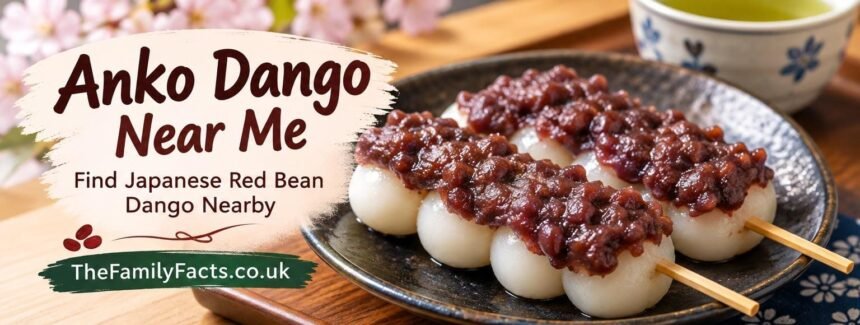
If you are searching for anko dango near me, you are probably looking for a Japanese sweet that is chewy, lightly sweet, and topped with rich red bean paste. Anko dango is a popular Japanese treat made from soft rice-flour dumplings served on skewers, often with sweet anko, or red bean paste.
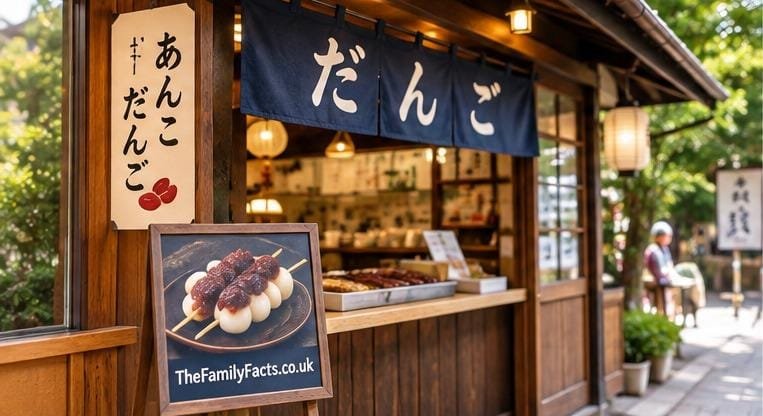
The challenge is that anko dango is not available at every Japanese restaurant. It may appear at Japanese bakeries, dessert shops, specialty grocery stores, tea houses, or restaurants offering traditional sweets.
This guide explains what anko dango is, where to look for it, what to ask for, how to recognize a good version, and what alternatives to consider when you cannot find it nearby.
What Is Anko Dango?
Anko dango is a traditional Japanese confection made from small, chewy rice-flour dumplings placed on a skewer and served with sweet red bean paste.
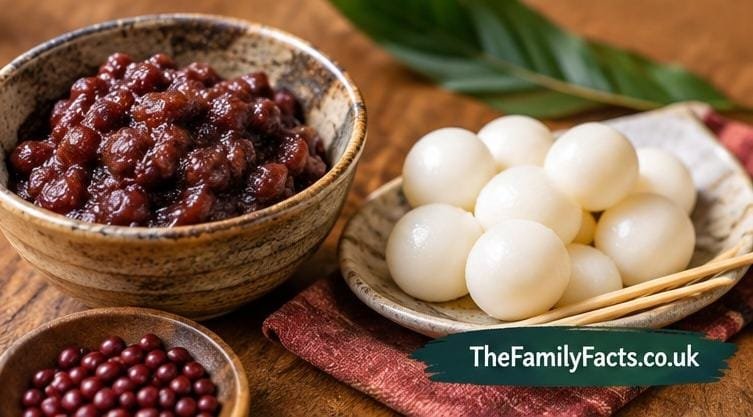
The word dango refers to the dumplings, while anko generally means sweet red bean paste made from azuki beans.
A typical serving may include three to five dumplings on a wooden skewer. The texture is soft and pleasantly chewy, while the anko adds sweetness and a smooth, bean-based flavor.
What Does Anko Dango Taste Like?
Anko dango has a mild, slightly sweet flavor from the rice dumplings. The anko provides a deeper sweetness with a distinctive azuki-bean taste.
Depending on the recipe, the topping may be:
- Smooth red bean paste
- Chunky red bean paste
- Sweetened azuki bean paste
- A combination of anko and other Japanese toppings
The dumplings themselves are generally much less sweet than the topping, which creates a balanced dessert.
How to Find Anko Dango Near Me
Finding anko dango can require a little more searching than finding common Japanese desserts such as mochi or matcha sweets.
Try these places first:
- Japanese dessert shops – Traditional Japanese sweets are more likely to appear on their menus.
- Japanese bakeries – Some bakeries sell seasonal wagashi and rice-flour desserts.
- Japanese restaurants – Restaurants specializing in traditional cuisine may offer dango as a dessert.
- Asian supermarkets – Some larger stores have Japanese prepared-food or dessert sections.
- Japanese cultural events – Festivals and cultural markets sometimes feature traditional sweets.
- Specialty online food stores – Depending on your location, Japanese dessert shops may offer packaged or made-to-order dango.
When searching online, try several related terms rather than relying on only one phrase.
Useful Search Terms
If “anko dango near me” produces limited results, try:
- Japanese dango near me
- red bean dango near me
- anko dango
- Japanese rice dumplings
- Japanese sweets near me
- wagashi near me
- Japanese dessert shop near me
- Japanese mochi and dango
- red bean Japanese dessert
Different businesses may describe the same type of dessert differently.
What Should You Look for in Good Anko Dango?
A good serving of anko dango should have a pleasant contrast between chewy dumplings and soft, sweet anko.
Here are a few things to consider:
| Feature | What to Look For |
|---|---|
| Dumplings | Soft, smooth, and pleasantly chewy |
| Texture | Firm enough to hold their shape without being hard |
| Anko | Smooth or slightly chunky, depending on the style |
| Sweetness | Sweet but not overwhelmingly sugary |
| Freshness | Dumplings should not feel excessively dry |
| Presentation | Neatly arranged on a skewer with an even topping |
Freshness matters because dango can become firmer and less enjoyable when stored for too long.
Anko Dango vs. Mochi: What’s the Difference?
Dango and mochi are sometimes confused because both are Japanese rice-based sweets.
However, they are not exactly the same.
Dango is typically made from rice flour and formed into small dumplings before being cooked. It is commonly served on skewers.
Mochi is traditionally made from pounded glutinous rice or products made from glutinous rice flour. It can have many shapes, fillings, and preparations.
Quick Comparison
| Dango | Mochi |
|---|---|
| Usually served as small dumplings | Comes in many shapes |
| Commonly placed on skewers | Often eaten individually |
| Often paired with sauces or toppings | Frequently filled or coated |
| Chewy texture | Usually soft and stretchy |
| Includes many savory and sweet styles | Primarily associated with sweets in many modern contexts |
Anko can be used with both, which is one reason the desserts are easy to mix up.anko dango near me
Popular Types of Dango You May See
If you cannot find anko dango specifically, you may find another type of dango.
Mitarashi Dango
Mitarashi dango consists of rice dumplings covered with a sweet soy-based glaze. The sauce usually has a glossy appearance and combines sweetness with a savory flavor.
Hanami Dango
Hanami dango is traditionally associated with cherry-blossom viewing in Japan. Its colorful dumplings are commonly arranged in pink, white, and green.
Kusa Dango
Kusa dango incorporates yomogi, or Japanese mugwort, giving the dumplings a green color and distinctive herbal flavor. It may be served with anko.
Anko-Topped Dango
This is the version most directly relevant to your search. Plain dango is paired with sweet azuki bean paste, creating a simple but satisfying combination.
What to Ask When Ordering
If you find a Japanese restaurant or dessert shop but are unsure whether it serves anko dango, ask:
“Do you have dango served with anko or sweet red bean paste?”
You can also ask whether the dango is freshly prepared.
This is useful because menus sometimes list dango without specifying the topping.
Common Menu Terms
You may encounter:
- Dango — rice-flour dumplings
- Anko — sweet red bean paste
- Azuki — small red beans commonly used for Japanese sweets
- Wagashi — traditional Japanese confectionery
- Mitarashi — sweet soy-based glaze
- Hanami dango — colorful dango associated with cherry-blossom viewing
Knowing these terms makes it easier to understand a Japanese dessert menu.
What If You Can’t Find Anko Dango Nearby?
Don’t assume that no search result means the dessert is unavailable in your area.
Some small businesses do not publish complete menus online. Others sell seasonal Japanese sweets that are not available every day.
Try this approach:
- Search for Japanese dessert shops in your area.
- Check their current dessert menus or social pages.
- Look specifically for dango, wagashi, or azuki-based desserts.
- Call or message the shop if the menu is unclear.
- Ask whether they prepare dango on particular days.
- Check Japanese cultural festivals or specialty food markets.
A shop may also have mitarashi dango or another dango variety even if anko dango is not listed.
Is Anko Dango Served Hot or Cold?
The serving temperature depends on the type and preparation.
Some dango is served warm, particularly when paired with a freshly prepared sauce. Other versions may be served at room temperature or chilled.
Anko itself can also vary in consistency and temperature.
If you have a preference, ask the shop how the dango is normally served.
Is Anko Dango Gluten-Free?
The basic ingredients of traditional dango are often rice-based, but you should not automatically assume every preparation is gluten-free.
Ingredients and preparation methods vary between businesses. Sauces, flavorings, fillings, and shared preparation areas can introduce ingredients that contain gluten.
If you need to avoid gluten, ask the specific shop about its ingredients and preparation practices before ordering.
How Is Anko Made?
Anko is traditionally prepared using azuki beans and sugar.
The beans are cooked until tender, then processed according to the desired style.
Two common styles are:
- Tsubuan: a chunky style in which some beans remain relatively intact.
- Koshian: a smooth style in which the bean skins are removed or strained out.
Both can work beautifully with dango. The choice is mainly a matter of texture and personal preference.
Common Mistakes When Searching for Anko Dango
Mistake 1: Searching Only for One Exact Phrase
A business may sell dango without using the phrase “anko dango” in its listing.
Better approach: Search for dango, wagashi, Japanese sweets, and red bean desserts as well.
Mistake 2: Assuming Mochi and Dango Are Identical
They are related rice-based foods, but their preparation and texture differ.
Better approach: Look specifically for dango if you want the traditional dumpling-on-a-skewer experience.
Mistake 3: Ignoring Seasonal Menus
Traditional Japanese sweets may be associated with particular seasons or celebrations.
Better approach: Check current menus and seasonal announcements.
Mistake 4: Judging a Shop Only by Its Main Menu
A restaurant may focus on savory Japanese dishes while offering a small selection of traditional desserts.
Better approach: Check the dessert menu separately.
Tips for Getting the Best Anko Dango Experience
For a better experience, keep these points in mind:
- Look for freshly prepared dango when possible.
- Check whether the shop makes its anko in-house.
- Ask whether the paste is smooth or chunky.
- Try different dango varieties if anko dango is unavailable.
- Check seasonal Japanese dessert menus.
- Ask about ingredients if you have dietary restrictions.
- Eat dango relatively soon after purchase for the best texture.
Frequently Asked Questions About Anko Dango Near Me
1. What is anko dango?
Anko dango is a Japanese sweet made from chewy rice-flour dumplings served with sweet azuki red bean paste.
2. Where can I find anko dango near me?
Look at Japanese dessert shops, wagashi stores, Japanese bakeries, traditional restaurants, Asian supermarkets, and Japanese cultural events. Online searches for “Japanese dango near me” can also uncover additional options.
3. Is anko dango the same as mochi?
No. Both are rice-based Japanese foods, but dango is typically formed into small dumplings and commonly served on skewers, while mochi has different preparation methods and forms.
4. What does anko taste like?
Anko has a sweet, earthy flavor from azuki beans. Smooth koshian has a softer texture, while tsubuan retains pieces of bean for a chunkier texture.
5. Is anko dango very sweet?
The sweetness varies by recipe. The dango itself is often relatively mild, while the anko provides most of the sweetness.
6. What if a restaurant doesn’t have anko dango?
Ask whether it offers another dango variety, such as mitarashi dango, or another Japanese sweet containing azuki red bean paste.
7. Can I buy dango from a Japanese grocery store?
Some Japanese and Asian grocery stores carry prepared or packaged dango, although availability varies by location and store.
8. Is dango usually served on a skewer?
Yes. Many popular varieties are served as several small dumplings arranged on a wooden skewer, although serving styles can vary.
Conclusion
Finding anko dango near me may take a little more searching than finding mainstream Japanese desserts, but knowing what to look for makes the process much easier. Start with Japanese dessert shops, bakeries, restaurants, specialty grocery stores, and cultural events. Search for related terms such as dango, wagashi, azuki, and Japanese sweets when an exact search produces few results.
Most importantly, remember that availability can change with seasons and daily preparation. If you find a shop offering dango, ask whether it is served with smooth or chunky anko and whether it is freshly prepared.
With a little menu knowledge and flexible searching, discovering a delicious Japanese dango dessert can be much easier.