


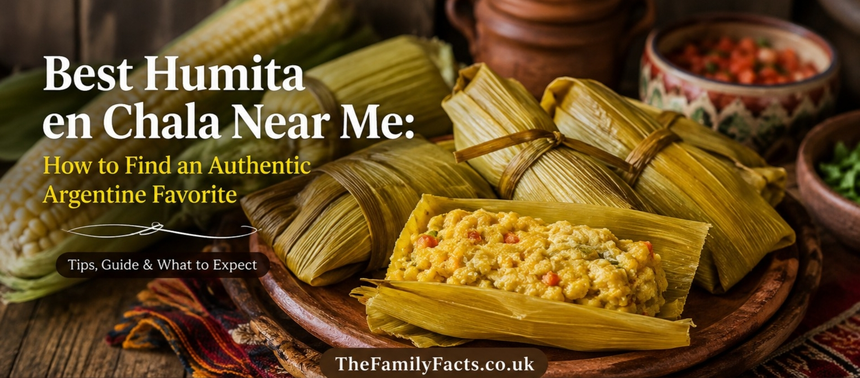
If you are searching for the best humita en chala near me, you are probably looking for more than just a corn-based dish. You want a version that tastes authentic, uses fresh ingredients, and captures the character of traditional Argentine cuisine.
Humita en chala is a classic dish associated with northwestern Argentina. It is prepared from fresh corn, often combined with squash, onion, seasonings, and cheese, then wrapped in corn husks and cooked. Argentina’s official tourism information describes it as a traditional northern specialty, particularly associated with provinces such as Salta, Jujuy, and Tucumán.
Finding a good version nearby can be challenging because humita en chala is less common than better-known Latin American dishes. The key is knowing what to look for, what questions to ask a restaurant, and how to recognize a traditionally prepared humita.
What Is Humita en Chala?
Humita en chala is a traditional preparation made primarily with fresh corn, known as choclo in Argentina. The corn is grated or ground into a thick mixture that can be combined with ingredients such as squash, onion, peppers, cheese, basil, paprika, or other seasonings.
The mixture is placed inside cleaned corn husks, which are folded into small parcels and cooked. The husk acts as a natural wrapper and helps give the dish its distinctive presentation.
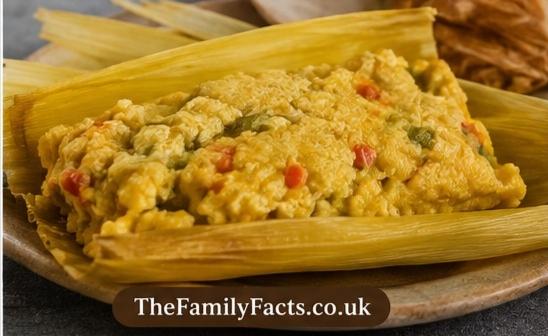
The result is generally soft and creamy inside, with a combination of sweet corn flavor and savory seasoning.
Humita en Chala vs. Humita a la Olla
The two names are easy to confuse.
| Dish | Preparation | Texture |
|---|---|---|
| Humita en chala | Corn mixture cooked inside corn husks | Soft but more structured |
| Humita a la olla | Corn mixture cooked directly in a pot | Creamier and spoonable |
Both versions use similar ingredients, but the cooking method and presentation are different.
How to Find the Best Humita en Chala Near Me
A search for best humita en chala near me should not end with the first restaurant that appears in a search result.
Instead, look for evidence that the restaurant understands the dish and its regional background.
1. Look for Argentine or Northwestern Argentine Cuisine
Humita en chala has especially strong connections with the culinary traditions of northwestern Argentina. Restaurants specializing in Argentine or regional South American food may therefore be a better starting point than a general restaurant.
2. Check the Current Menu
Restaurant menus can change frequently. A business may have served humita en chala previously but not offer it every day.
Before traveling, check the restaurant’s current menu or contact the restaurant to ask:
- Is humita en chala currently available?
- Is it made in-house?
- Is it served every day or only on certain days?
- Is it prepared traditionally?
- Does the filling contain cheese?
- Is the version sweet, savory, or both?
This simple check can save you an unnecessary trip.
3. Look for Fresh Corn-Based Preparation
Fresh corn is an important part of traditional humita. Argentina’s government describes humita as a preparation based on corn and squash, with seasonings varying by recipe.
A restaurant that can explain its ingredients and preparation method is often a better choice than one that simply lists the dish without details.
4. Read Reviews Carefully
When checking restaurant reviews, do not look only at star ratings.
Search reviews for specific terms such as:
- humita
- humita en chala
- Argentine food
- corn
- traditional
- regional dishes
- Salta
- Jujuy
- Tucumán
Specific comments about the dish are generally more useful than a review saying only that the restaurant was “good.”
What Should Authentic Humita en Chala Taste Like?
There is no single universal recipe, so regional and family variations are normal.
Still, a well-prepared humita generally has several recognizable qualities.
A Balanced Corn Flavor
Fresh corn should be noticeable. The dish should not taste overwhelmingly like spices or cheese.
A Soft, Moist Filling
The filling should be tender and cohesive rather than dry or crumbly.
Savory and Slightly Sweet Notes
Northern Argentine humita can have a naturally sweet character because of the corn. Some versions also use sugar, while others emphasize savory ingredients and spices.
A Pleasant Cheese Element
Some traditional recipes include cheese in the center of the corn mixture. Recipes vary, however, so cheese should not automatically be treated as mandatory.
What Ingredients Are Commonly Used?
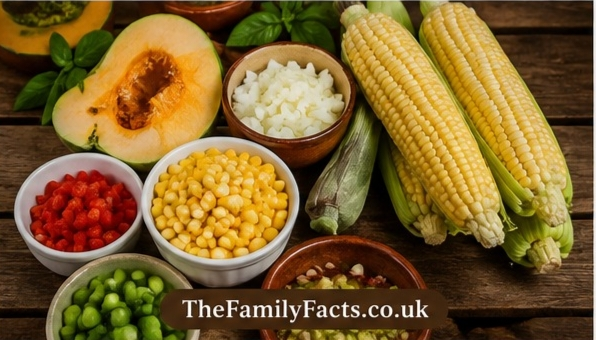
Recipes differ across regions and households, but common ingredients include:
- Fresh corn or choclo
- Corn husks
- Squash
- Onion
- Bell pepper
- Cheese
- Basil
- Paprika
- Salt and pepper
- Sometimes milk
- Sometimes sugar
- Regional herbs or mild chile
For example, a recipe published by Argentina’s tourism authorities in Tucumán uses corn, squash, onion, peppers, paprika, sugar, corn husks, and cheese.
That variation is part of what makes searching for the best humita en chala near me interesting: two restaurants can prepare the same traditional dish in noticeably different ways.
Humita en Chala vs. Tamales: Are They the Same?
No.
Humita en chala and tamales can look similar because both can involve a seasoned mixture wrapped in leaves or husks. However, their ingredients and culinary traditions are not identical.
Traditional Argentine humita focuses heavily on fresh corn and is closely associated with the country’s northwestern cuisine. Argentina’s tourism sources specifically distinguish humita from tamales.
So if you see both dishes on a menu, do not assume they are interchangeable.
How to Order Humita en Chala
If you find a restaurant offering the dish, ordering is usually straightforward.
Ask About the Preparation
A useful question is:
“Is your humita en chala made with fresh corn?”
You can also ask whether it contains cheese, squash, or spicy peppers if you have dietary preferences.
Ask About Availability
Because humita en chala is not necessarily an everyday menu item everywhere, ask whether it is available that day.
Consider Ordering a Regional Dish Alongside It
If the restaurant specializes in Argentine cuisine, you may find other regional dishes that complement the experience. This can give you a broader introduction to Argentine food rather than treating humita as an isolated dish.
Common Mistakes When Searching for Humita en Chala
Mistake 1: Searching Only by “Corn Tamale”
Humita en chala is sometimes compared with tamales, but searching only for tamales may hide restaurants that list the dish under its traditional name.
Better approach: Search specifically for “humita en chala,” “Argentine humita,” and “Argentine restaurants.”
Mistake 2: Assuming Every Humita Is the Same
Recipes vary considerably.
Better approach: Ask how the restaurant prepares its version.
Mistake 3: Ignoring Availability
A restaurant may have an old menu, seasonal special, or customer photos showing humita that is no longer available.
Better approach: Confirm before visiting.
Mistake 4: Choosing Only by Rating
A high overall restaurant rating does not necessarily mean the humita is excellent.
Better approach: Look for reviews that specifically mention the dish.
A Simple Checklist for Choosing a Restaurant
Before deciding where to eat, use this checklist:
- Confirm that humita en chala is currently on the menu.
- Check whether the restaurant specializes in Argentine or regional South American food.
- Look for recent customer comments about the dish.
- Ask whether it is prepared in-house.
- Check the main ingredients if you have allergies or dietary restrictions.
- Confirm serving times if the dish is a special or seasonal item.
- Compare recent reviews rather than relying exclusively on an overall rating.
Why Humita en Chala Is Worth Trying
Humita en chala represents more than a simple corn dish. It connects ingredients, agricultural traditions, regional cooking, and family recipes.
Its association with northwestern Argentina is particularly strong. The dish is part of the culinary identity of places including Salta, Jujuy, and Tucumán, and regional tourism authorities continue to highlight it as an important local specialty.
The corn husk presentation also makes it distinctive. Instead of serving the mixture in a bowl, the cook creates a small parcel that is cooked and presented in its natural wrapping.
Frequently Asked Questions
What does humita en chala mean?
“Humita en chala” refers to humita prepared inside chala, the Spanish term commonly used for corn husks. The corn-based mixture is wrapped in the husks and cooked.
Is humita en chala sweet or savory?
It can be either mildly sweet or savory depending on the recipe. Fresh corn naturally contributes sweetness, while onion, peppers, spices, and cheese can create a more savory profile.
Is humita en chala the same as a tamale?
No. Although both may be wrapped and cooked, traditional Argentine humita is particularly centered on fresh corn and has its own regional culinary tradition.
Does humita en chala contain cheese?
Many recipes include cheese, sometimes placed in the center of the corn mixture. However, recipes vary, so it is best to ask the restaurant before ordering.
Is humita en chala vegetarian?
It can be vegetarian, but this depends entirely on the recipe. Some preparations use vegetable ingredients, while others may use animal fat. Always ask the restaurant about the ingredients if this matters to you.
What is the difference between humita en chala and humita a la olla?
Humita en chala is wrapped in corn husks before cooking, while humita a la olla is cooked directly in a pot. The latter is usually served as a softer, spoonable preparation.
How do I find the best humita en chala near me?
Search for the exact dish name, check current menus, read recent dish-specific reviews, and confirm availability before visiting. Argentine restaurants and restaurants specializing in regional South American cuisine are good places to start.
Can I find humita en chala outside Argentina?
Yes. Argentine restaurants and some Latin American restaurants outside Argentina may serve it, although availability can vary significantly by location and season.
Conclusion
Finding the best humita en chala near me is easier when you know what you are looking for. Focus on restaurants that understand Argentine regional cuisine, verify that the dish is currently available, and read reviews that specifically discuss the humita rather than relying only on an overall restaurant rating.
A good humita en chala should showcase the flavor of corn while balancing savory ingredients, gentle seasoning, and a soft, satisfying filling. Most importantly, remember that traditional recipes vary. That variation is part of the dish’s culinary character—and one of the reasons it is worth exploring.