


Food trends change quickly. A recipe can move from a small online community to social media feeds, home kitchens, restaurants, and grocery shelves in a surprisingly short time. For people searching for the jalbiteblog food trend, the real question is often bigger than simply asking what is popular: they want to understand what the trend means, why people are interested in it, and how these ideas can be applied to everyday cooking.
JalbiteBlog currently presents itself as a food-focused platform covering recipes, cooking ideas, healthy eating, international cuisine, seasonal ingredients, sustainability, and emerging culinary developments. Its food category also includes content connected with JustALittleBite and modern food trends.
This guide explores the idea behind the jalbiteblog food trend, the themes associated with it, how digital food culture influences eating habits, and practical ways readers can turn food-trend inspiration into useful meals.
What Is the JalbiteBlog Food Trend?
The term jalbiteblog food trend does not describe one specific dish or ingredient. Instead, it is best understood as a search phrase associated with food-trend content published around JalbiteBlog and related JustALittleBite discussions.
Current JalbiteBlog material describes food trends through themes such as:
- Healthy eating
- Global cuisines
- Easy recipes
- Seasonal ingredients
- Sustainable cooking
- Viral food ideas
- Modern kitchen techniques
- Restaurant-inspired meals
- Food presentation
- Changing consumer preferences
This makes the phrase useful for readers who want to explore the wider movement rather than follow a single recipe.
Why Is the Phrase Popular?
Food discovery has changed dramatically because people increasingly encounter meals through websites, short videos, social platforms, recipe searches, and online communities.
A food trend can therefore spread because it is:
- Easy to recreate.
- Visually appealing.
- Affordable or convenient.
- Connected to a familiar cuisine.
- Different enough to feel exciting.
- Adaptable to different dietary preferences.
The appeal is not always about novelty. Sometimes a trend succeeds because it makes an existing cooking technique easier or gives a traditional dish a fresh presentation.
The Main Themes Behind the JalbiteBlog Food Trend
1. Global Flavors
One important theme in modern food culture is the movement of flavors across borders.
Home cooks can now discover ingredients and cooking styles from many different regions without needing to travel. JalbiteBlog’s food coverage similarly emphasizes global cuisine and culinary exploration.
For example, a home cook might combine:
- Mediterranean herbs with roasted vegetables
- Asian-inspired sauces with noodles
- Middle Eastern spices with rice
- Latin American ingredients with familiar comfort foods
The goal should not be to label every combination as authentic. Instead, it is about learning from different culinary traditions while respecting their origins.
2. Simple Recipes With Strong Flavor
Another recurring direction in online food content is simplicity.
People often want meals that do not require complicated equipment or dozens of ingredients. A useful trend therefore focuses on getting more flavor from a manageable number of components.
A simple meal might use:
- One main protein or plant-based ingredient
- Two or three vegetables
- A flavorful sauce
- Fresh herbs
- A staple such as rice, potatoes, pasta, or bread
This approach makes trendy food ideas more practical for ordinary home kitchens.
3. Health-Conscious Food Choices
Healthy eating is another recurring subject in JalbiteBlog’s current food coverage.
However, “healthy” should not automatically mean restrictive.
A more useful approach is to think about overall meal quality. For example, a balanced meal might include vegetables or fruit, a source of protein, and a suitable carbohydrate or grain.
Instead of asking:
“Is this food healthy or unhealthy?”
A better question is:
“How does this meal fit into an overall balanced eating pattern?”
That distinction helps prevent food trends from becoming unnecessarily complicated.
4. Sustainable Cooking
Sustainability is also appearing more frequently in modern food discussions.
Practical sustainable cooking does not have to mean completely changing your lifestyle. Small choices can make a difference, such as:
- Using seasonal ingredients when practical
- Planning meals before shopping
- Storing food properly
- Finding uses for suitable leftovers
- Avoiding unnecessary food waste
- Choosing ingredients that can be used across several meals
These ideas can make cooking more economical as well as more resource-conscious.
How Social Media Shapes Food Trends
A major reason food trends spread quickly is visual communication.
A recipe can be demonstrated in a short video, photographed from an appealing angle, or explained through a simple step-by-step post. Once people begin recreating it, variations can appear almost immediately.
This creates a cycle:
Discovery → Experimentation → Sharing → Adaptation → New Trend
Digital food culture therefore does more than advertise recipes. It allows ordinary home cooks to become participants in the trend.
Why Visual Food Content Works
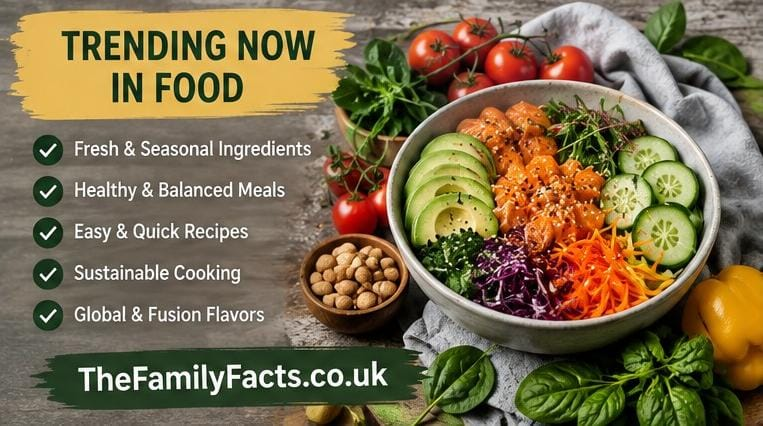
Food is naturally visual. Color, texture, steam, crisp edges, sauces, garnishes, and plating can all make a dish more interesting.
But attractive presentation should not replace useful information.
A good food article should still explain:
- What the dish contains
- How it is prepared
- What it should taste like
- What substitutions are possible
- How difficult the recipe is
- How the finished food should be stored
JalbiteBlog Food Trend and the Rise of Food Discovery
Traditional food discovery often depended on cookbooks, television programs, family recipes, and magazines.
Today, people can discover a new meal while searching for something completely different.
For example, someone might see a colorful rice bowl online, search for the recipe, find a variation using local ingredients, and eventually create their own version.
This process makes food culture more interactive.
JalbiteBlog’s stated focus includes recipes, cooking techniques, food trends, international cuisine, seasonal foods, and meal-planning ideas, reflecting this broader approach to online food discovery.
How to Follow Food Trends Without Chasing Every Fad
Not every viral recipe deserves a place in your regular meal rotation.
Before trying a food trend, ask a few practical questions.
Is It Easy to Make?
A trend that requires expensive equipment or difficult-to-find ingredients may not be practical for everyone.
Is It Adaptable?
The best food ideas can often be adjusted based on what is available locally.
Does It Actually Taste Good?
Popularity and flavor are not the same thing. A visually impressive recipe still needs enjoyable flavors and textures.
Is It Sustainable for Your Routine?
A recipe you can comfortably make again is generally more useful than something you try once simply because it is viral.
How to Turn a Food Trend Into an Everyday Meal
You do not need to copy a trending recipe exactly.
Instead, use the trend as inspiration.
Step 1: Identify the Main Idea
Maybe the trend is about:
- A particular sauce
- A cooking method
- A spice combination
- A presentation style
- A type of international cuisine
Step 2: Choose Familiar Ingredients
If a recipe contains an ingredient you cannot easily find, consider a suitable alternative rather than abandoning the idea.
Step 3: Keep the Structure Simple
Start with a basic meal and add the trend-inspired element.
For example:
Rice + vegetables + protein + trending sauce
This gives you a flexible starting point.
Step 4: Adjust the Flavor
Taste is personal. You can adjust seasoning, acidity, spice, or texture according to your preferences.
Step 5: Make Notes
If you enjoyed the result, write down what worked. That turns a one-time experiment into a repeatable recipe.
Common Mistakes When Following Food Trends
Mistake 1: Treating Every Viral Recipe as a Long-Term Trend
Some recipes receive attention for only a short period.
Better approach: Look for ideas that solve a real cooking problem or offer useful flavor combinations.
Mistake 2: Copying a Recipe Without Understanding It
Following instructions mechanically can make substitutions difficult.
Better approach: Understand the role of each major ingredient and cooking step.
Mistake 3: Ignoring Cultural Context
When experimenting with international dishes, avoid presenting a modern adaptation as the original traditional recipe.
Better approach: Learn about the dish’s background and describe adaptations honestly.
Mistake 4: Prioritizing Appearance Over Flavor
A beautifully plated meal can still be disappointing.
Better approach: Focus on seasoning, texture, freshness, and cooking technique first.
Mistake 5: Buying Too Many Trendy Ingredients
A cupboard full of ingredients used once can create unnecessary expense and waste.
Better approach: Choose ingredients that work across several meals.
What Could Shape Future Food Trends?
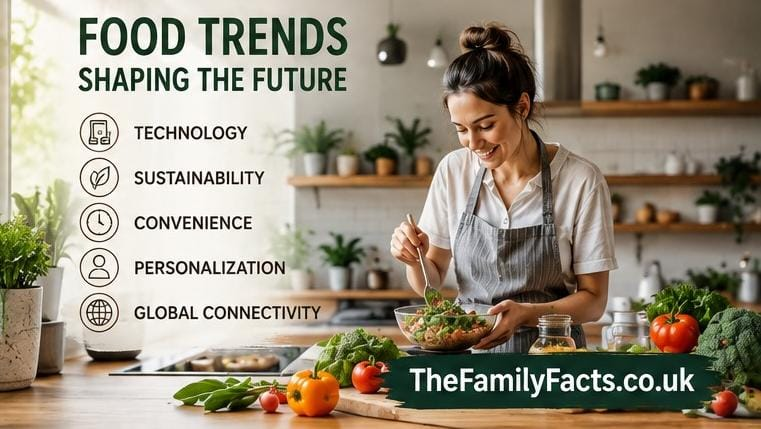
Food trends will likely continue to be influenced by several forces.
Technology
Recipe discovery, personalized recommendations, smart kitchen equipment, and digital food communities are changing how people interact with cooking. JalbiteBlog’s current content also discusses technology-related developments in food culture.
Convenience
Busy households continue to value meals that can be prepared efficiently without sacrificing flavor.
Sustainability
Interest in seasonal cooking, reducing waste, and making better use of ingredients can influence future recipes.
Global Connectivity
People are continually exposed to new cuisines through travel, restaurants, creators, and online communities.
Personalization
Rather than following one universal diet or cooking style, people increasingly adapt recipes to their own tastes, budgets, ingredients, and household needs.
A Simple Food-Trend Checklist
Before trying a new trend, use this quick checklist:
| Question | What to Look For |
|---|---|
| Is it practical? | Ingredients and equipment you can access |
| Is it flavorful? | Balanced seasoning and textures |
| Is it adaptable? | Easy substitutions |
| Is it affordable? | Reasonable ingredient costs |
| Is it useful? | Something you would make again |
| Is it culturally respectful? | Accurate description of the dish |
| Is it safe? | Appropriate food preparation and storage |
This turns trend-following into thoughtful food exploration.
Grammar Tip: “JalbiteBlog Food Trend”
From an English grammar perspective, “jalbiteblog food trend” is a keyword-style noun phrase rather than a complete sentence.
The structure can be understood as:
JalbiteBlog + food + trend
Here, “food trend” is the main noun phrase, while “JalbiteBlog” identifies the context or source associated with the phrase.
Natural English
- “The JalbiteBlog food trend explores new culinary ideas.”
- “This food trend is gaining attention online.”
- “Readers are interested in modern food trends.”
Keyword-Style Search Phrase
- “jalbiteblog food trend”
The lowercase version is perfectly understandable as a search query, but normal prose usually benefits from capitalization and grammatical context.
For SEO writing, the exact keyword can appear naturally in strategic locations without making every sentence sound like a search query.
Frequently Asked Questions
What does the JalbiteBlog food trend mean?
The phrase generally refers to food-trend content associated with JalbiteBlog and related JustALittleBite discussions. It is not necessarily the name of one specific recipe or ingredient.
What types of food trends are associated with JalbiteBlog?
Current JalbiteBlog content covers areas such as healthy eating, global cuisine, easy recipes, seasonal ingredients, sustainable cooking, kitchen techniques, and emerging food ideas.
Is the JalbiteBlog food trend one particular diet?
No. The phrase is broader than a specific diet. It is used in connection with food culture, recipes, culinary trends, and changing approaches to cooking and eating.
How can I try a food trend at home?
Start with the simplest version of the idea. Identify its key ingredient, flavor, technique, or presentation style, then adapt it to ingredients and equipment you already have.
Are viral food trends worth trying?
Some are useful and enjoyable, while others are mainly temporary internet trends. Consider flavor, practicality, cost, ingredients, and whether the idea is something you would realistically make again.
How do social media platforms influence food trends?
They allow recipes and food concepts to spread rapidly through videos, photographs, recommendations, and user-created variations. This makes food discovery faster and more interactive.
Are food trends always healthy?
No. Popularity does not automatically indicate nutritional quality. Evaluate a meal based on its ingredients and how it fits into an overall balanced eating pattern.
What is the future of food trends?
Future trends are likely to continue reflecting convenience, technology, sustainability, global culinary exchange, personalization, and interest in practical home cooking.
Conclusion
The jalbiteblog food trend is best understood as part of a wider digital food culture rather than as a single recipe or fixed diet. Current JalbiteBlog material connects the phrase with modern recipes, global flavors, healthy eating, sustainability, cooking techniques, and the evolving way people discover food online.
The most useful way to follow food trends is not to chase every viral idea. Instead, look for recipes and techniques that offer genuine flavor, practical preparation, adaptable ingredients, and something worth bringing back to your kitchen.
In short, use food trends as inspiration—not as rules.